An introduction to the science & practice of photography (1891)
Jones, H. Chapman (Henry Chapman), 1854- · London : Iliffe & Son · leaf 155
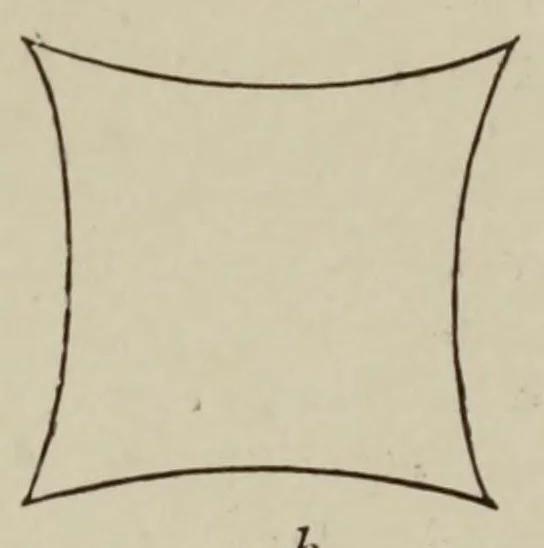
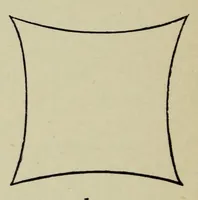
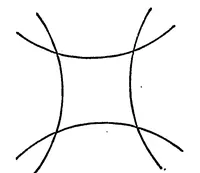
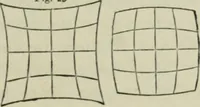
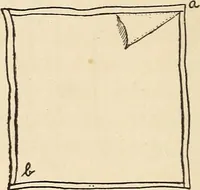
rst case, the corners of the image of a square are drawn in, and barrel-shaped distortion results, fig. 44 a. In the second case, the corners of the square are drawn outwards, and the distor- tion is pincushion shaped, fig. 44 b. There is no distortion of , lines in the image that pass through the… … a b Fig. 44- This curvilinear distortion is obviated by having a lens on each side of the diaphragm, because the distortion produced by the diaphragm with regard to each lens is opposite in character, and can easily be made equal in amount. This is the principle of the rectilinear or non-…
Photography
Internet Archive · Getty Research Institute · Public domain (published before 1931). Free to use for anything.